Learning Arabic from an early age enhances cognitive development and cultural understanding for children worldwide. According to recent educational research from 2024-2025, online language learning for children has grown by 67%, with Arabic programs leading this digital transformation. As parents seek engaging solutions for their children’s education, how can you ensure your child receives quality Arabic instruction that maintains their interest? Modern interactive platforms now explore the best Arabic courses for children on the web, offering personalized lessons that adapt to each child’s learning pace and style.
The Science Behind Age-Appropriate Arabic Learning Methods
Children’s brains are naturally wired for language acquisition, making early years the optimal window for learning Arabic. Research shows that young learners absorb languages through immersion and interactive experiences rather than traditional grammar-focused approaches.
Also read : Effective tips to improve team communication at work
This is where Ijaza-certified teachers make all the difference. These educators have undergone rigorous training in classical Arabic transmission methods, ensuring they understand both the linguistic complexities and the developmental needs of young minds. Their certification guarantees authentic pronunciation and proper Quranic recitation techniques.
Immersive learning environments replicate natural language acquisition patterns. When children engage with native Arabic speakers through storytelling, songs, and interactive activities, they develop intuitive language skills. This approach mirrors how they learned their first language – through meaningful interactions rather than memorization.
In the same genre : The Rise of Green Policies in the UK: What Are the Potential Long-term Impacts?
The personalized 45-minute sessions allow certified instructors to adapt their teaching pace to each child’s cognitive development stage. They can identify learning patterns, adjust difficulty levels, and maintain engagement through age-appropriate activities that make Arabic feel like play rather than study.
Essential Features That Make These Programs Truly Effective
The quality of an online Arabic program lies in its ability to adapt to each child’s unique learning style and pace. Effective courses combine proven pedagogical methods with modern technology to create an environment where young learners can thrive.
Here are the core features that distinguish top-tier Arabic learning programs from basic offerings:
- 45-minute private sessions allowing deep focus and personalized attention without overwhelming young minds
- Comprehensive progress tracking that helps parents understand their child’s development and identify areas for improvement
- Dedicated parent portal providing real-time access to lesson notes, homework assignments, and performance reports
- Diverse teaching methods including games, storytelling, and interactive exercises that keep children engaged
- Flexible scheduling options that accommodate busy family routines and different time zones
- Individual coaching approach where certified teachers adapt their methods to each student’s personality and learning preferences
These features work together to create a supportive learning ecosystem. When children receive consistent, personalized attention in an environment designed specifically for their needs, they develop confidence alongside their Arabic skills.
How Personalized Instruction Accelerates Your Child’s Progress
Every child learns differently, and personalized instruction recognizes this fundamental truth. Unlike traditional classroom settings where teachers must address multiple students simultaneously, private Arabic and Quran lessons allow instructors to focus entirely on your child’s unique learning style, pace, and interests.
This individualized approach means your child receives immediate feedback and can spend more time on challenging concepts while quickly moving through topics they grasp easily. Our certified Ijaza teachers adapt their teaching methods in real-time, using visual aids for visual learners or incorporating storytelling for children who respond better to narrative approaches.
The parental involvement component further enhances this personalized experience. Through our dedicated parent portal, you can track your child’s progress, review lesson notes, and understand exactly what your child is learning. This transparency allows you to reinforce lessons at home and celebrate achievements together.
Our 45-minute private sessions maximize engagement by eliminating distractions and allowing for interactive participation. Children feel more comfortable asking questions and making mistakes in a one-on-one environment, which accelerates their confidence and overall progress in both Arabic language skills and Quranic recitation.
Combining Arabic Language and Quranic Studies: A Complete Educational Approach
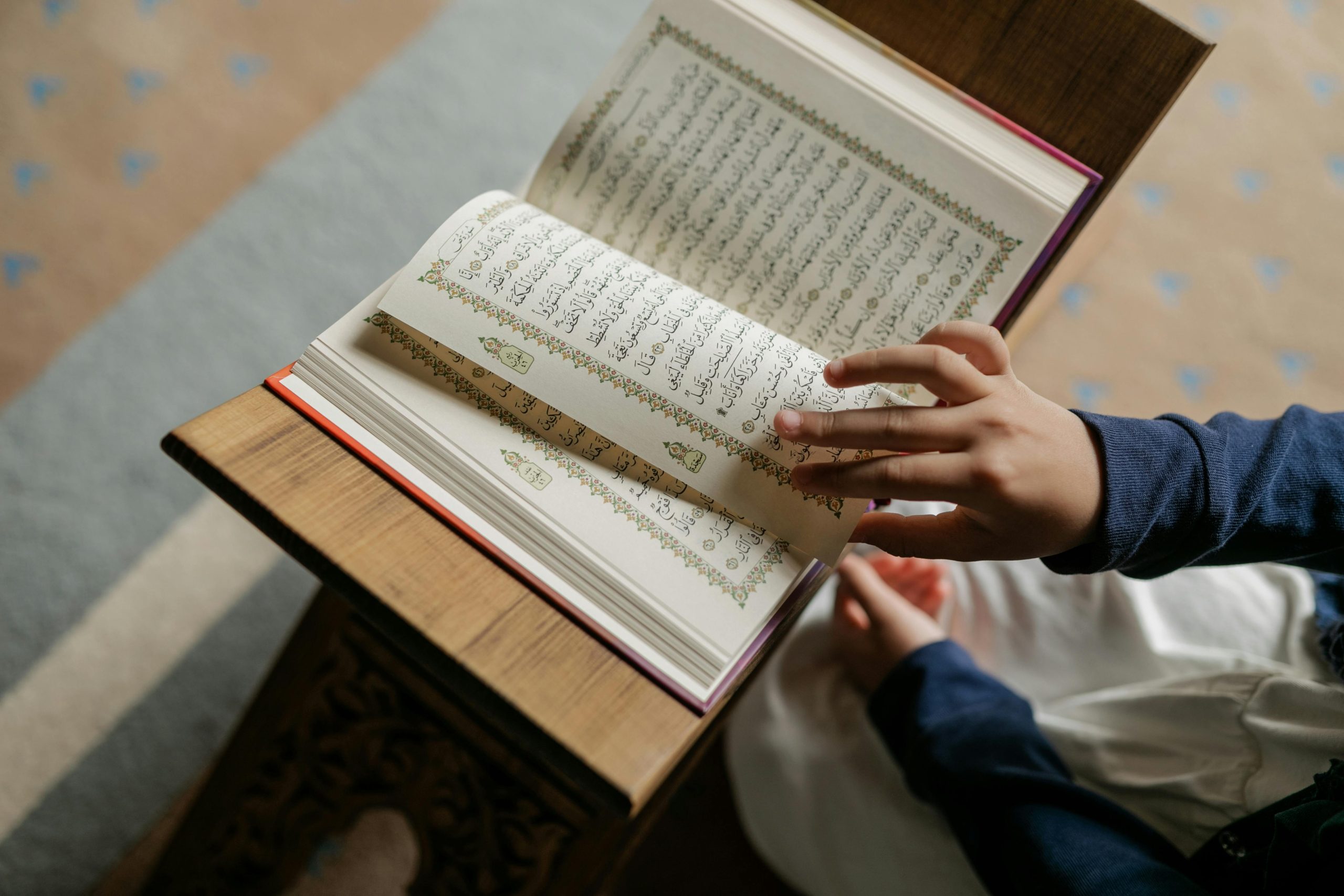
Learning Arabic and studying the Quran simultaneously offers children a profoundly enriching educational experience. This holistic approach fosters natural connections between language proficiency and spiritual understanding, giving meaning and depth to every lesson.
Children develop an authentic relationship with Arabic by discovering its beauty through the verses of the Quran. This method strengthens their intrinsic motivation and allows them to acquire a rich and nuanced vocabulary. The cultural dimension naturally flourishes as young learners understand the historical and spiritual context of the language they are studying.
Our Ijaza-certified teachers adapt this integrated approach to each child’s age and level. They create intelligent pedagogical bridges between Arabic grammar and Quranic recitation, allowing students to progress smoothly in both areas while developing a deep understanding of this sacred language.
Creating the Right Learning Environment at Home
Setting up the right learning environment at home plays a crucial role in your child’s Arabic and Quran learning success. A quiet, comfortable space free from distractions helps children focus during their 45-minute private lessons and creates positive associations with their studies.
Parents become essential learning partners in this journey. Your encouragement and involvement, even without Arabic knowledge, significantly impacts your child’s motivation. Simple actions like showing interest in their progress, celebrating small achievements, and maintaining consistent study schedules create a supportive foundation for learning.
The dedicated parent portal transforms home learning support into a seamless experience. Through this platform, you can monitor your child’s progress in real-time, access lesson recordings for review, and maintain direct communication with certified teachers. This transparency ensures you stay informed about your child’s development and can provide targeted support when needed.
Creating consistent study routines at home reinforces classroom learning. When children know what to expect and feel supported in their environment, they develop confidence and enthusiasm for their Arabic and Quran studies that extends far beyond the screen.
Frequently Asked Questions about Learning Arabic for Children
What is the best age to start Arabic lessons for my child?
The ideal age is between 4 and 8 years old, a period when children easily absorb new languages. Our teachers adapt their methods to each age group to optimize learning.
How much do online Arabic classes for kids typically cost?
Prices vary depending on the teacher’s experience and the lesson length. Our personalized 45-minute lessons offer excellent value with Ijaza-certified teachers.
Can children learn Arabic and Quran at the same time?
Absolutely! This complementary approach enhances learning. Our programs combine Arabic language and Quranic recitation, allowing children to progress simultaneously and coherently in both areas.